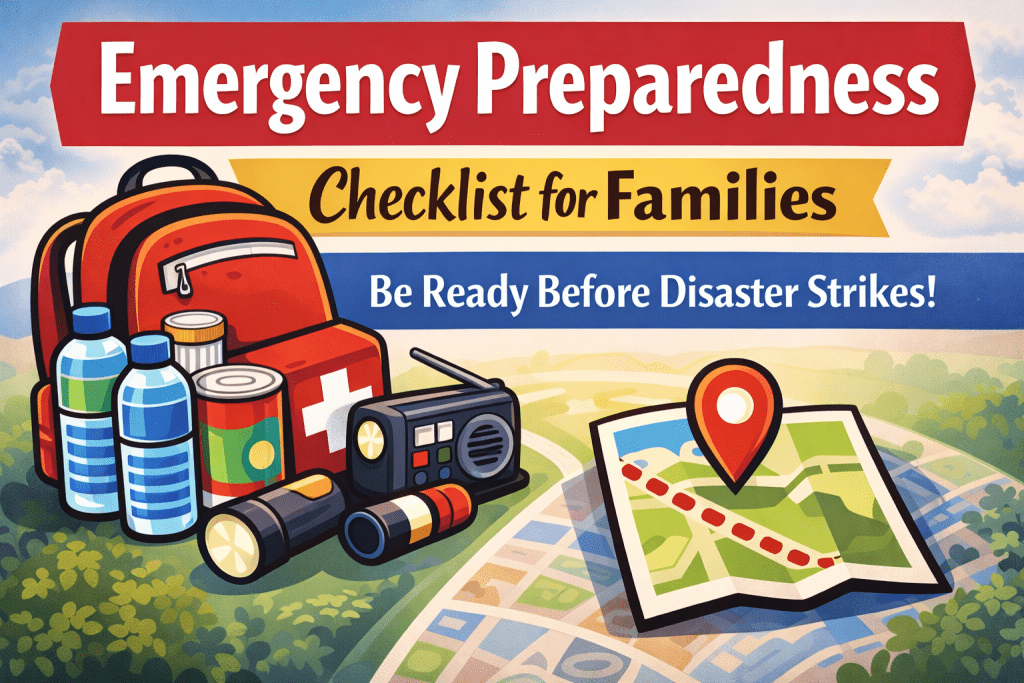
Life has a way of surprising us. Sometimes those surprises are joyful — a new baby, a new job, a new home. But other times they come in the form of unexpected storms, power outages, pandemics, floods, or even sudden evacuations. When those moments arrive, families that have prepared in advance often experience far less stress and confusion than those scrambling at the last minute. That’s where a solid emergency preparedness checklist comes in.
Having a clear plan and the right supplies can make an enormous difference in the first hours or days of a crisis. Emergency management agencies around the world consistently recommend that households be able to survive on their own for at least 72 hours without outside assistance, which means having food, water, medications, and essential tools readily available.
This guide walks you through a practical emergency preparedness checklist for families, helping you build a kit, create a plan, and protect the people who matter most.
Why Every Family Needs an Emergency Preparedness Checklist
Most people assume emergencies happen somewhere else — another country, another city, another neighborhood. But natural disasters, infrastructure failures, disease outbreaks, and geopolitical disruptions can happen almost anywhere. And, they can spread across countries faster than you think.
Government preparedness agencies stress that households should not rely solely on immediate emergency services during a crisis. Emergency responders may take hours or even days to reach everyone who needs help. With this being the case, you need to ensure that your family has all essentials to survive before emergency responders get to you.
A well-prepared family typically has three things ready before disaster strikes:
- A disaster supply kit
- A communication plan
- A clear evacuation strategy
Together, these elements form the backbone of an effective emergency preparedness checklist. This article is going to take a deep dive into what you need to add to your supply kit and how to build a solid plan so that your family stays safe, together.
The Core Emergency Preparedness Checklist
Let’s start with the essentials every family should have in their home emergency kit. Think of this as the foundation — the supplies that help you stay safe, hydrated, nourished, and informed if normal services are disrupted.
1. Water Supply
Water is the single most important emergency supply and needs to be right at the top of your list. Emergency preparedness experts recommend storing at least one gallon of water per person per day for drinking and sanitation. Ideally, families should keep a minimum three-day supply.
For a family of four, that means 12 gallons for three days, stored in clean, sealed containers. Make sure you rotate this every 6–12 months.
Try to stock up on water purification tablets or household bleach. Both come in handy if drinkable water is contaminated or if safe water becomes scarce. You should be able to buy them at stores that sell camping gear, or online.
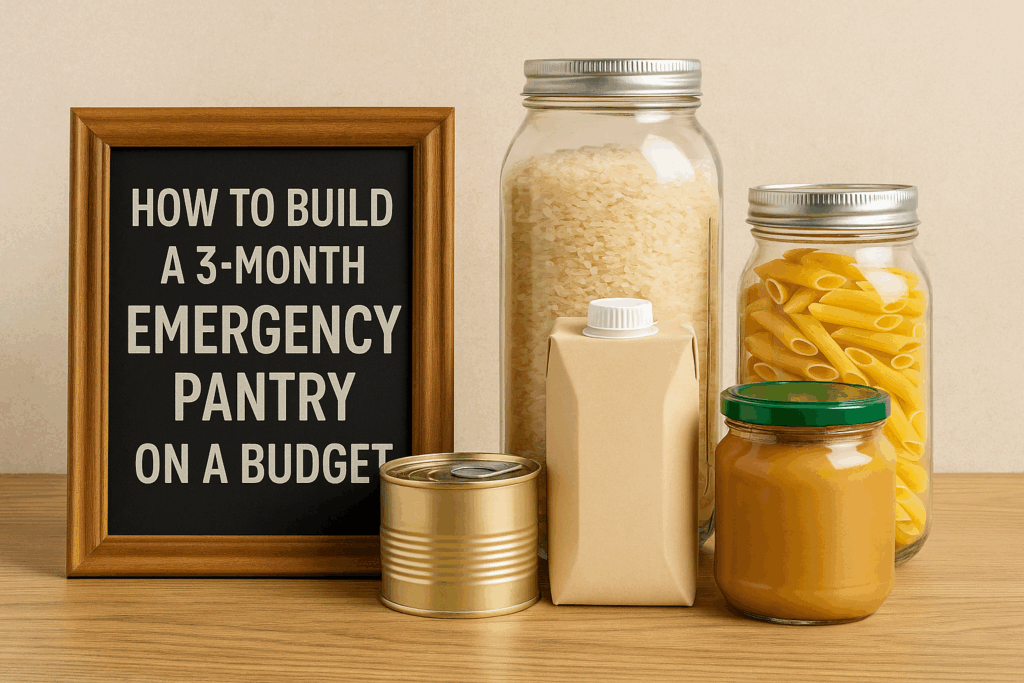
2. Non-Perishable Food
Cooking may not be possible in an emergency. Power outages and gas interruptions are common during disasters or wars. Your emergency preparedness checklist should include three days of non-perishable food per person.
Here are some ideas of the type so food you can pack:
- Canned vegetables, beans, or meat
- Protein bars
- Peanut butter or nut butters
- Dried fruits
- Crackers or granola
- Shelf-stable milk
- Instant oats
Choose foods your family actually eats. Check labels to ensure that there are no ingredients that anyone is allergic to. Emergencies are stressful enough without forcing everyone to survive on unfamiliar or unsafe meals. Give everyone a try of new foods to check if they’re okay with it or if you’d like to be extra sure that the foods you’re storing are safe for the entire family.
Don’t forget basics such as a manual can opener, scissiors and basic cutlery.
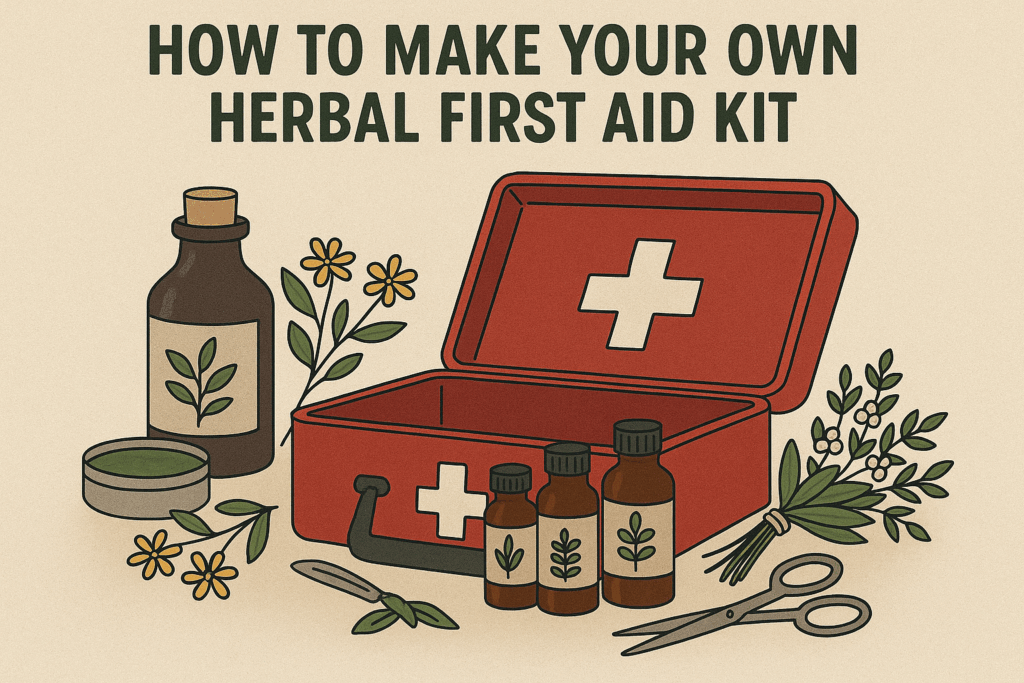
3. First Aid and Medical Supplies
Minor injuries often occur during emergencies, and access to medical services may be limited. It is essential that you have a well-stocked first aid kit.
Make sure you incude the following essentials:
- Sterile gauze and bandages
- Adhesive bandages
- Medical tape
- Antiseptic wipes
- Antibiotic ointment
- Pain relievers
- Anti-diarrhea medication
- Thermometer
- Tweezers
- Disposable gloves
Families should also store at least one week of prescription medications, along with copies of prescriptions and medical records. If someone in your family has a chronic illness or special medical needs, include backup supplies for those as well.
4. Light and Power
Power outages are one of the most common consequences of disasters. Solar power panels might not always be sufficient to power up your entire home unless you’re already using them. And some disasters might even leave solar panels useless.
Every emergency preparedness checklist should include:
- Flashlights
- Extra batteries
- Headlamps
- Portable lanterns
- Battery-powered or hand-crank radio
- Power banks for charging phones
A battery or hand-crank radio allows families to receive emergency alerts and updates even when internet and cellular networks are unavailable.
5. Communication Tools
Communication canm become difficult during emergencies. Phones may die, networks may overload, and families may become separated. You need to be prepared. Make sure your emergency kit includes these essentials:
- Printed list of emergency contacts
- Phone chargers and backup batteries
- Two-way radios if possible
- Whistle to signal for help
It’s also wise for families to designate an out-of-area contact person everyone can check in with, and a meet-up spot if you are separated from each other.
6. Hygiene and Sanitation Supplies
When water and plumbing systems are disrupted, maintaining hygiene becomes more challenging. Add these items to your emergency preparedness checklist:
- Toilet paper
- Wet wipes
- Soap and hand sanitizer
- Garbage bags and ties
- Feminine hygiene products
- Toothbrushes and toothpaste
- Disinfectant wipes
These supplies help reduce illness and keep living conditions manageable during extended disruptions. And it’s easier to huddle together if your olfactory senses are not assaulted.
7. Clothing and Bedding
Emergencies can force families to evacuate or shelter in place under uncomfortable conditions. This isn’t as much a problem if you are stuck at home. However, in the event of a flood or if you have to flee, be sure to have the following in your kit:
- Change of clothes for each family member
- Warm blankets or sleeping bags
- Rain gear
- Sturdy shoes
- Gloves and hats (for colder climates)
These items are particularly important during winter storms or situations where heating systems fail.
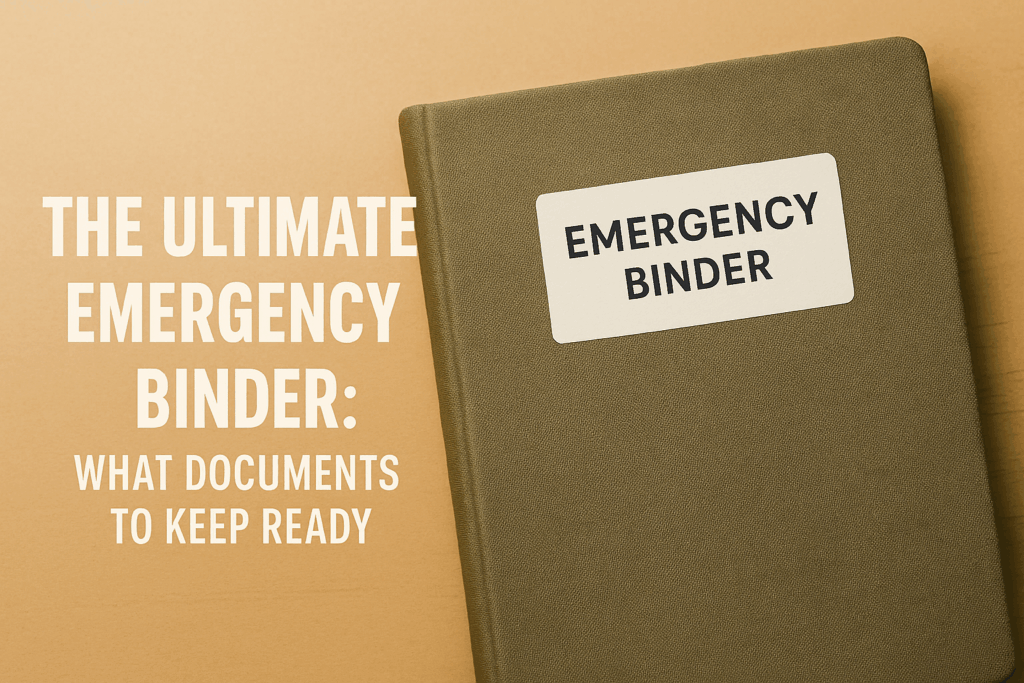
8. Important Documents
If you suddenly need to leave your home, having critical documents organized can save enormous headaches later. Store copies of these in a waterproof folder:
- Identification cards or passports
- Birth certificates
- Insurance policies
- Medical records
- Bank information
- Emergency contact list
Some families also keep digital copies on a secure USB drive. or on a personal, secure cloud account to which every member of the family has access.
9. Cash and Financial Backup
ATMs and payment systems often fail during disasters. Include a small amount of cash in small denominations in your emergency kit so you can purchase essentials if electronic payment systems go down. An ideal amount of cash to include in your kit would be about a week’s expenses for each member of your household.
10. Special Items for Children, Elderly, and Pets
Every family has unique needs. Your emergency preparedness checklist should include what each person needs, based on their specific situation in life.
For infants:
- Formula or baby food
- Bottles
- Diapers
- Wipes
- Creams
- Any special medications
For elderly family members:
- Extra medications
- Mobility aids
- Hearing aid batteries
For pets:
- Pet food
- Water bowls
- Leash
- Vaccination records
- Emergency medications
Emergency planners emphasize tailoring kits to the specific needs of your household.
Where to Store Your Emergency Supplies
A common mistake people make is storing supplies in multiple scattered locations. Instead, keep the main emergency kit in one easy-to-grab container. Use backpacks, plastic bins, or duffel bags to store items somewhere accessible but safe from flooding or damage.
Make an identical, smaller kit to store in your car, workplace or in school bags for situations that warrant immediate evacuation without enough time to collect your larger emergency suppplies bag. This ensures you are prepared even if disaster strikes while you are away from home.
Create a Family Emergency Plan
Supplies alone aren’t enough. Families should also discuss what to do in specific scenarios. Your plan should include:
Meeting points
- One location near your home
- One location outside your neighborhood
Evacuation routes
- At least two ways to leave your area
Communication strategy
- Who contacts whom
- Backup contact person outside the region
Practicing the plan once or twice a year helps children remember what to do during stressful situations.
Maintain and Update Your Emergency Preparedness Checklist
An emergency kit is not something you assemble once and forget. Review your supplies every six to twelve months. Check for expired food, expired medications, dead batteries and outgrown clothing for children. Don’t forget to change your supply of water at this point.
Your emergency preparedness checklist should evolve as your family grows or circumstances change.
Preparedness Brings Peace of Mind
Preparing for emergencies is not about fear — it’s about resilience. A thoughtfully prepared emergency preparedness checklist allows families to respond calmly during chaotic situations. Instead of rushing to stores during a crisis or worrying about basic needs, you already have what you need.
Even better, preparedness often brings a surprising sense of peace. Knowing that your household can handle short-term disruptions — whether from storms, power failures, or public health emergencies — reduces anxiety and helps you focus on protecting the people you love.
In the end, emergency preparedness is simply another form of caring for your family. And like any form of care, it’s best done before it’s urgently needed.
References and Further Reading
If you’d like to verify or explore official preparedness recommendations, the following resources provide credible guidance:
- https://www.ready.gov/kit
- https://www.ready.gov/be-informed
- https://dem.nv.gov/preparedness/Emergency_Preparedness_Checklist/
- https://www.floridahealth.gov/individual-family-health/preparedness/
- https://portal.ct.gov/dph/public-health-preparedness/bioterrorism/emergency-preparedness-checklist
These organizations include FEMA, public health departments, and emergency management agencies that regularly update their guidance based on real-world disaster response.